
Turning innovative research into industrial reality is one of the greatest challenges for new circular-economy technologies. With the completion of its Front-End Engineering Design (FEED) study, the FlashPhos project has taken a decisive step toward that goal. The FEED study translates pilot-scale FlashPhos research into a fully defined industrial concept, addressing not only process efficiency but also safety, environmental performance, and economic feasibility.
At the heart of this milestone is the design of the first full-scale FlashPhos plant, capable of producing 5.000 tonnes of white phosphorus (P4) per year. The plant concept is integrated into a reference cement facility with a clinker capacity of 3.000 tonnes per day, demonstrating how phosphorus recovery can be embedded into existing industrial infrastructure rather than developed as a stand-alone solution.
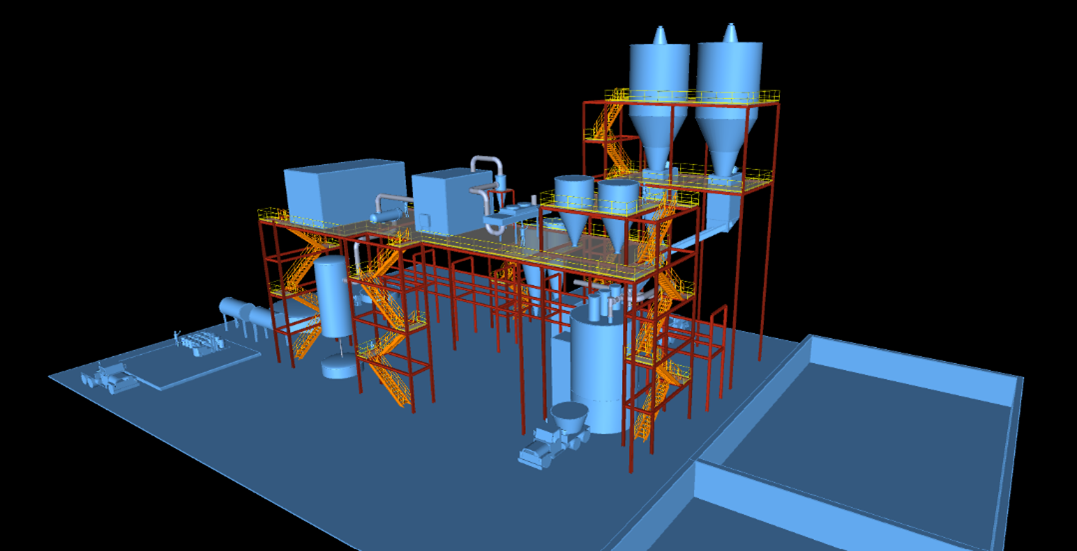
Figure 1 Basic engineering for the scale-up of the FlashPhos core process
From research to industrial design
The FEED study brings together results from laboratory research, pilot plant planning and engineering, process simulations, and close exchange with industrial stakeholders, including a dedicated cement-industry workshop and a site visit to the reference cement plant selected for the study. Led by A TEC, with major contributions from VDZ, INERCO, ITALMATCH, DYCKERHOFF, University of Stuttgart (USTUTT) and several other partners, the study establishes the technical foundation for future investment and implementation decisions.
A TEC coordinated the FEED study and led the design integration of FlashPhos into the cement plant, while VDZ contributed detailed cement-process simulations to assess energy integration and emission impacts. INERCO developed the basic engineering and plant layouts. ITALMATCH provided expertise in phosphorus handling and storage, while DYCKERHOFF contributed host-plant experience and regulatory insight. USTUTT (ISWA) contributed technical expertise in process and equipment scale-up, as well as material data and site evaluations. This interdisciplinary collaboration helped align innovation with industrial reality.
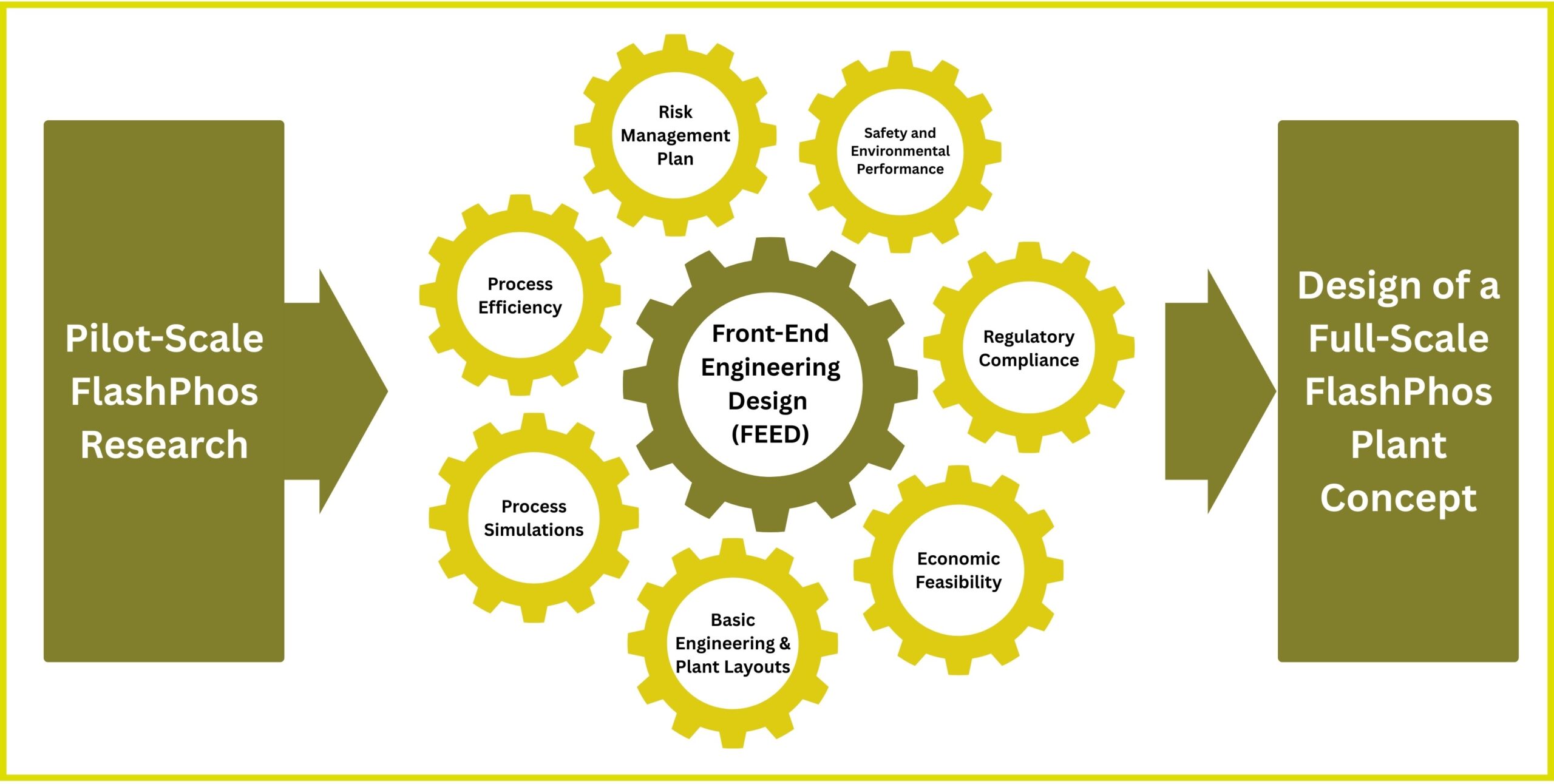
Figure 2 Concept and key components of the FlashPhos FEED study
Key outputs of the FEED include mass and energy balances, process flow diagrams, preliminary 2D and 3D layouts, equipment specifications, and a cost estimate at AACE Class 3 accuracy. HAZOP and SIL analyses were integrated early in the design process, identifying critical interfaces between the FlashPhos plant and the host cement facility. Together, these elements provide a realistic picture of how FlashPhos can operate under industrial conditions, including its interfaces with cement-plant infrastructure.
Synergies with the cement industry
A central feature of the FEED is the integration of FlashPhos into cement production. Process simulations confirm that syngas generated during phosphorus recovery can replace a significant amount of conventional fuels and CO2. At the same time, the refiner slag produced in the FlashPhos process can be used as a CO2-neutral clinker substitute or supplementary cementitious material (SCM), contributing also to the decarbonization of cement production. The close dialogue with the cement industry ensured that spatial constraints, operational realities, and regulatory requirements were considered from the outset.
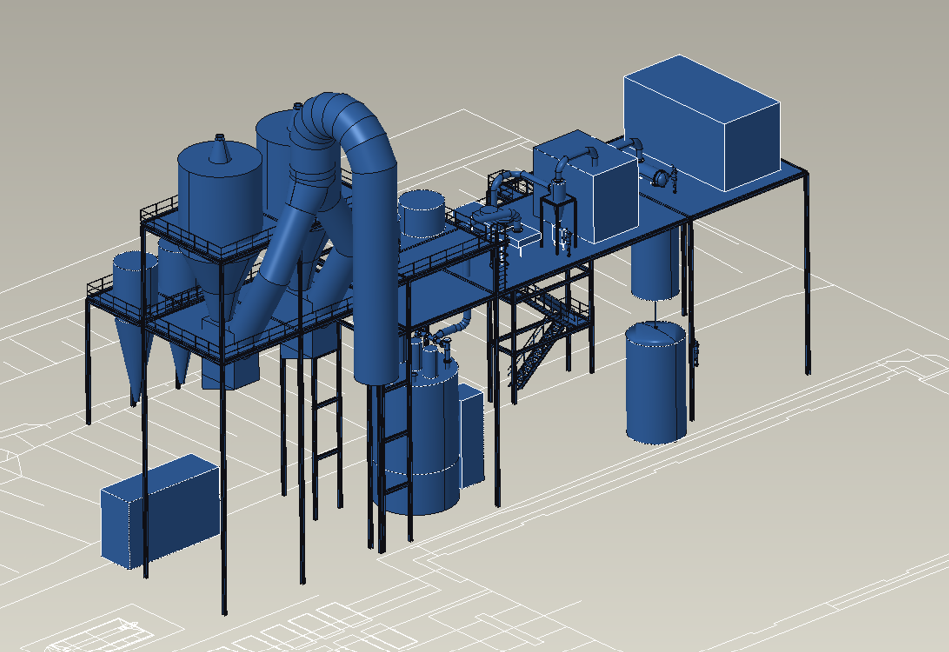
Figure 3 Integration of the core FlashPhos equipment into the host cement plant of the study
A foundation for deployment
The design also considers future adaptability. Options such as decentralized sludge drying, modular plant concepts, and advanced slag granulation technologies were evaluated as part of the study, increasing the resilience of the FlashPhos concept under changing regulatory, economic, and market conditions.
At the same time, the FEED results highlight practical challenges. Integrating a large FlashPhos unit into an existing cement plant requires significant space, stable gas flows, and careful management of emissions and safety interfaces. While the current full-scale concept exceeds the integration limits of many existing plants, the technology itself remains highly scalable and adaptable. Decentralized sludge drying, smaller modular FlashPhos units, and integration into newly built or alternative host industries therefore offer realistic pathways toward industrial deployment and outline a clear roadmap for the next project phase.
Most importantly, the FEED provides a solid foundation for the next steps: detailed engineering, permitting, and preparation for the first commercial FlashPhos installations. By bridging the gap between innovation and industry, FlashPhos moves closer to delivering a European solution for sustainable phosphorus recovery and supporting circular-economy and decarbonization goals across multiple sectors.