
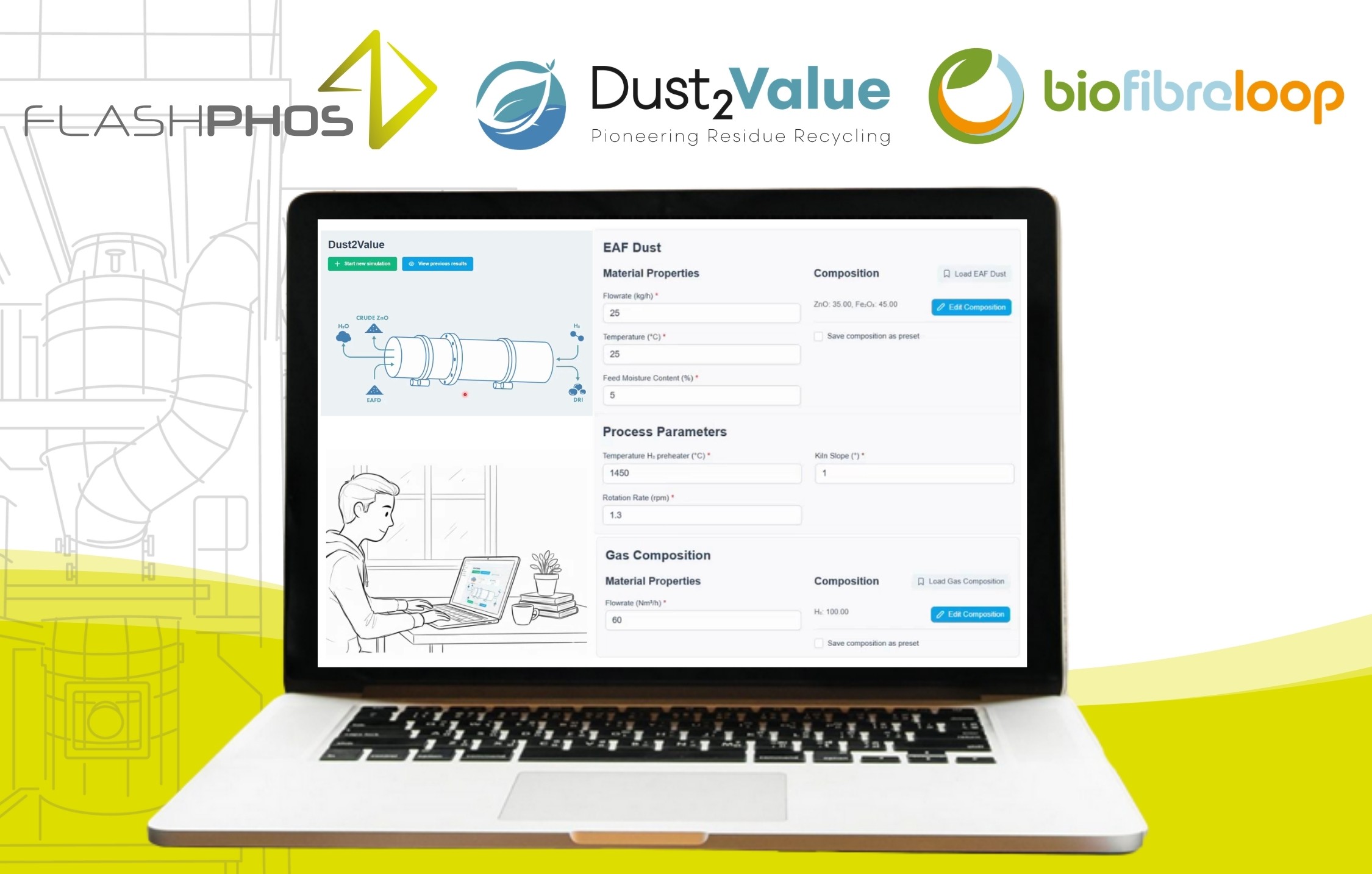
Digital Twins have long been discussed as a key technology for the future of industry. But what does their real impact look like in practice? How do they support innovation, sustainability and industrial scale-up?
A recent webinar hosted by the EU project FlashPhos, together with BioFibreLoop and Dust2Value, provided valuable insights into how Digital Twins are already being used in industrial research and development.
Across very different sectors – from steel recycling to sustainable textiles and phosphorus recovery – the projects demonstrate how Digital Twins are becoming a powerful tool to accelerate innovation and support the transition to a circular economy.
What Exactly Is a Digital Twin?
At its core, a Digital Twin is a virtual representation of a physical system. In industrial contexts, it typically combines:
- process models
- real operational data
- simulation capabilities
- data analytics and optimisation tools
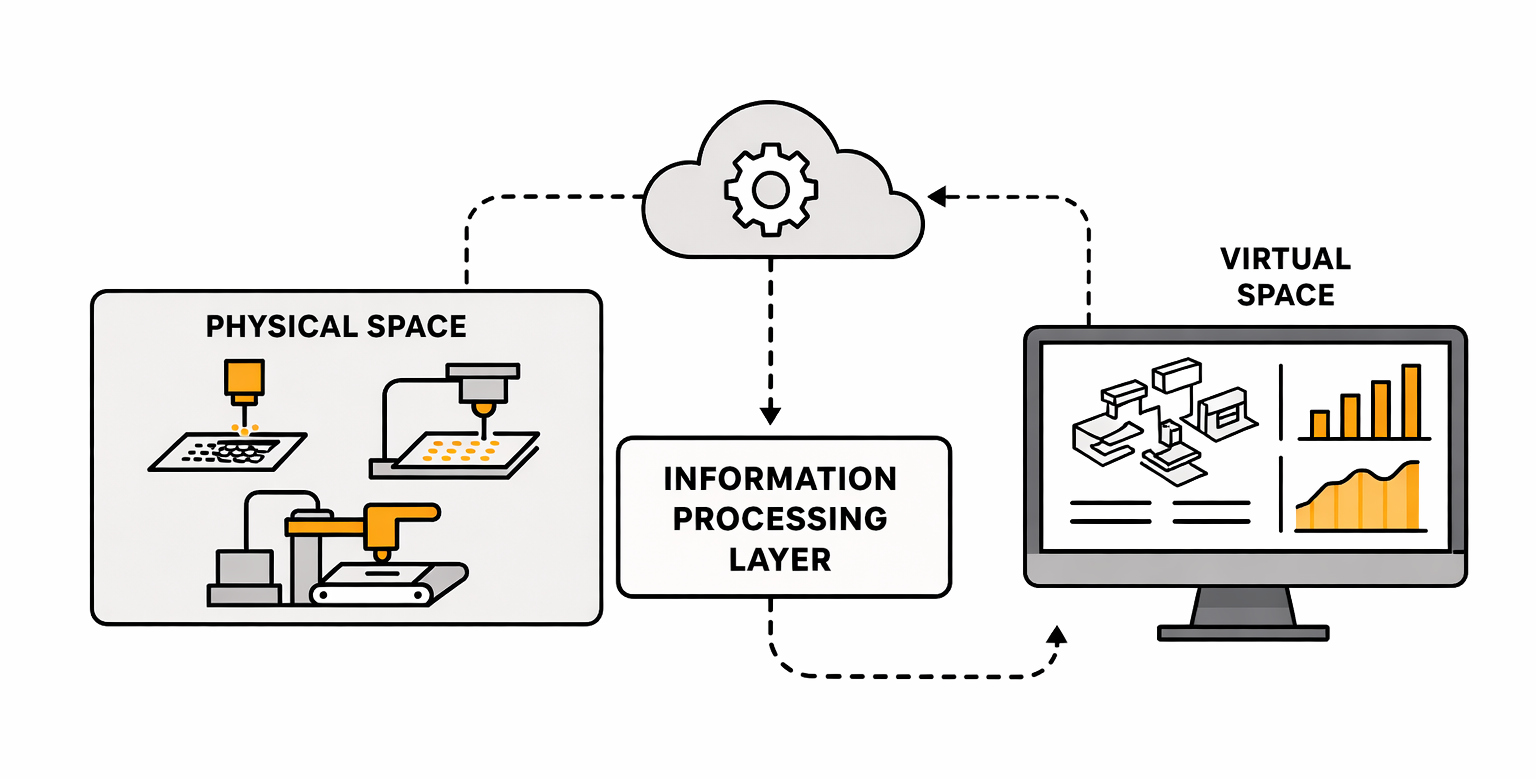
Figure 1: Visualization of the Digital Twin Concept
The result is a digital environment where complex industrial processes can be analysed, tested and optimised without interfering with real production.
As Els Nagels, CEO of Inspyro explained during the webinar:
“You want your digital twin to behave like your actual plant.”
A well-designed Digital Twin does not simply simulate a process once. It replicates how a plant reacts to changing conditions, enabling engineers to explore different operational scenarios in a safe and controlled environment.
Why Digital Twins Matter for Industrial Innovation
Industrial process development is often slow, costly and risky. New technologies require years of testing, pilot plants and expensive experimentation.
Digital Twins can significantly accelerate this process.
Instead of running hundreds of physical experiments, researchers can perform virtual experiments, explore parameter spaces and evaluate process changes digitally before implementing them in reality.
Thomas Fischer from the German Institutes of Textile and Fiber Research summarized the challenge clearly:
“There are a lot of experiments you could do, and they are costly, time consuming and material consuming.”
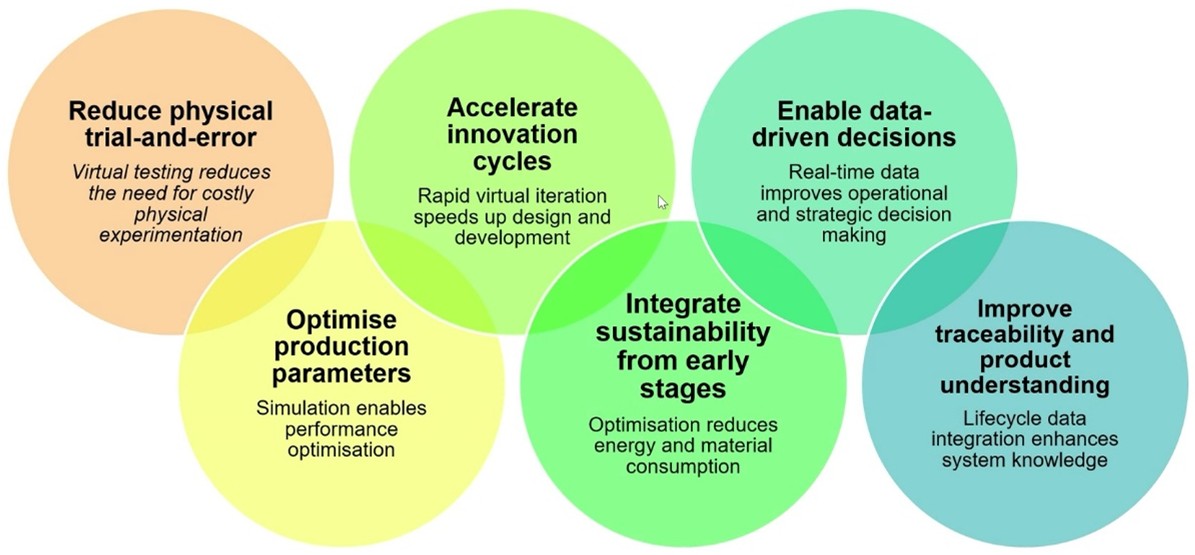
Figure 2: Advantages of a Digital Twin
Digital Twins help overcome this challenge by enabling:
- rapid scenario analysis
- process optimisation
- faster technology development
- reduced resource consumption
This makes them particularly valuable in areas where entirely new industrial processes are being developed.
From Pilot Plant to Industrial Scale
One of the most important roles of Digital Twins is supporting the transition from laboratory research to industrial deployment.
The EU project FlashPhos, coordinated by the University of Stuttgart, illustrates this well.
The project aims to recover valuable resources from sewage sludge, including white phosphorus, an essential raw material used in many industries, from food production to electronics and battery technologies.
The FlashPhos process involves several complex high-temperature steps, including drying, flash reactions and refining in an electric arc furnace.
Because building and testing industrial-scale plants is extremely expensive, a Digital Twin was developed early in the project to simulate the entire process chain.
This digital model allowed researchers to move from pilot-scale data to industrial-scale scenarios. As Christian Schmidberger, coordinator of FlashPhos, explained:
“In all of these studies, the digital twin served as the basis, enabling the upscaling from pilot plant calculations to the industrial scale.”
By simulating process behaviour at larger scales, the Digital Twin helped engineers evaluate technical feasibility, energy demands and material flows long before a full-scale plant exists.
A Platform for Collaboration
Large industrial innovation projects often involve many partners from academia and industry. In such environments, Digital Twins can also serve as a shared knowledge platform.
In the BioFibreLoop project, which focuses on circular bio-based textiles, the Digital Twin acts as a common interface where partners can analyse and improve new production processes together.
As Francisco Daniel García Romero from IDENER described it:
“The whole process requires interdisciplinary collaboration. You need experts from scientific laboratories as well as industry and data specialists working together.”
This collaborative aspect is particularly valuable when multiple disciplines are involved. Digital Twins can bring together expertise from:
- process engineering
- materials science
- data science
- environmental assessment
- industrial design
By integrating these perspectives into one digital model, teams can explore innovation pathways much more efficiently.
Enabling Sustainable Industrial Processes
Another major benefit of Digital Twins is their ability to support sustainability analysis.
In projects like Dust2Value, which investigates the recovery of valuable metals from steel industry dust, Digital Twins are used to evaluate process efficiency and environmental performance.
Because the model captures detailed material and energy flows, it can serve as the foundation for:
- life cycle assessment (LCA)
- techno-economic analysis
- resource efficiency studies
This allows researchers to identify environmentally and economically optimal process conditions early in the development phase.
Beyond Process Optimisation: Strategic Decision-Making and Integration Across Industrial Sectors
Digital Twins are not only useful for engineering questions. They can also support strategic decisions at a system level.
In the FlashPhos project, researchers used the Digital Twin together with geographic data analysis to determine where future plants could be located most efficiently.
By combining data on sewage sludge availability, transportation distances and process performance, they were able to identify potential locations across Europe where the technology could be implemented.
This type of analysis shows that Digital Twins can also contribute to industrial planning and infrastructure development, not just process design.
Another powerful use case explored in the project was the integration of the FlashPhos process into existing industrial systems.
Partners in FlashPhos investigated whether a phosphorus recovery plant could be integrated into a cement production facility.
The idea was to create industrial synergies:
- using pyrolysis gases from the recovery process as fuel in cement kilns
- using slag from the process as a secondary cementitious material
Since no full-scale FlashPhos plant exists yet, the Digital Twin was essential for this analysis.
It provided the process data needed to simulate how the new technology would interact with existing cement production processes.
A Living System, Not a Static Model
An important lesson from the projects is that a Digital Twin is never “finished”. Els Nagels emphasised:
“A digital twin is not a static entity. It’s a tool that requires maintenance and updates.”
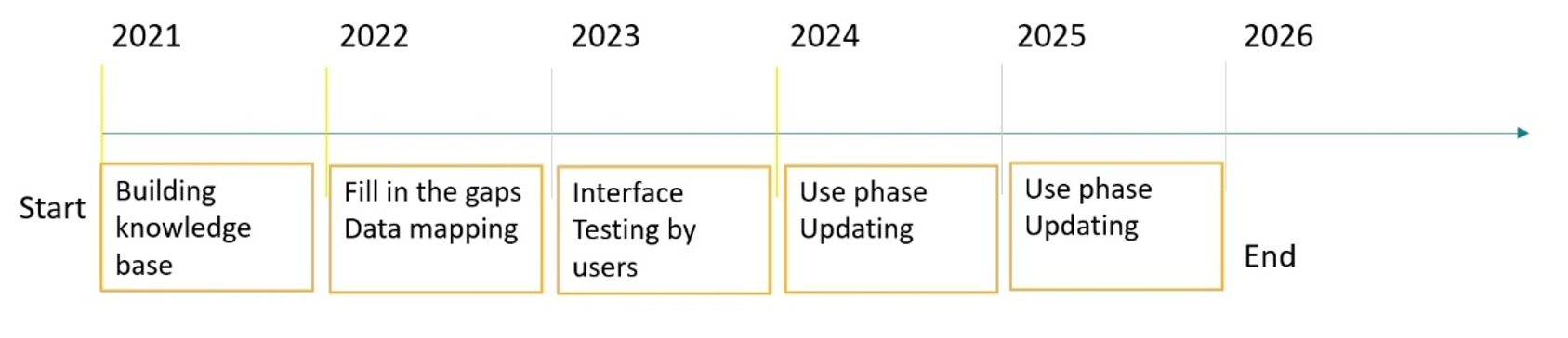
Figure 3: Example of the FlashPhos Digital Twin Development
New experimental results, improved models and additional data continuously refine the digital representation of the process. In this sense, a Digital Twin evolves alongside the technology it represents.
The Road Ahead
Digital Twins are rapidly becoming a central tool for industrial innovation.
By combining modelling, simulation and real-world data, they enable companies and researchers to:
- accelerate process development
- reduce technical risk
- optimise resource efficiency
- support sustainable industrial transformation
The experiences from the projects FlashPhos, BioFibreLoop and Dust2Value show that Digital Twins are no longer just a theoretical concept.
They are already helping industry move from vision to real industrial value.